Fall Tips for Plumbing in Northern Virginia
As the leaves change and temperatures drop, your plumbing system needs some attention before winter hits hard. Fall is the ideal time to prevent pipe problems, heating hiccups, and costly repairs. Here are our top plumbing tips to get your Northern Virginia home ready for winter— plus answers to common fall plumbing questions.
- Disconnect Outdoor Hoses
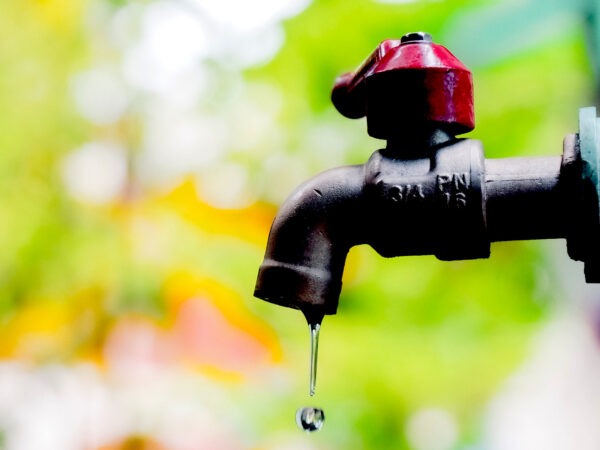
Leaving hoses attached can cause outdoor faucets and connecting pipes to freeze and burst. Drain them, disconnect them, and store them indoors. - Shut Off Exterior Water Lines
If you have a separate shut-off valve for outdoor spigots, turn it off. Then open the faucet to drain any leftover water in the line. - Insulate Exposed Pipes
Uninsulated pipes in basements, garages, or crawl spaces are vulnerable to freezing. Foam pipe insulation is inexpensive and easy to install — a small effort now can save thousands later. - Flush Your Water Heater
Sediment builds up over time and makes your water heater work harder, costing you more in energy. Flushing it in the fall improves efficiency and extends its life. Not sure how? We can help. - Check for Leaks Before Winter Sets In
Small leaks get worse in freezing weather. Inspect under sinks, behind toilets, and around appliances. If you hear dripping or see damp spots, it’s time to call the professionals at Liberty Plumbing. - Test Your Sump Pump
If you have a basement sump pump, pour a bucket of water into the pit. It should turn on immediately. If it doesn’t, service it before the fall rains or snowmelt. - Seal Up Gaps and Drafts
Cold air near plumbing can lead to frozen pipes. Use caulk or weather stripping around doors, windows, and foundation openings near pipes.
Fall Plumbing FAQ
Q: Can pipes freeze in the fall?
A: Yes, especially in late fall when overnight temperatures dip below freezing. It only takes a few hours of freezing temps to burst a pipe.
Q: How do I know if my outdoor faucet is winterized?
A: It should be disconnected from the hose, shut off from the inside (if possible), and open to drain. You can also buy insulated faucet covers for extra protection.
Q: Is it necessary to flush a water heater every year?
A: Yes. Once a year is a good rule of thumb, especially in areas with hard water. It helps your heater run more efficiently and prevents damage.
Q: What temperature should I keep my home to prevent frozen pipes?
A: Keep your thermostat at least 55°F if you’re away, and don’t shut off the heat entirely. Open cabinet doors under sinks to keep warm air circulating around pipes.
Q: When should I call a plumber?
A: If you have low water pressure, recurring clogs, visible leaks, or an old water heater making noise, don’t wait. Fall is the time to fix small issues before winter makes them worse.
Protect Your Plumbing with Liberty Plumbing
At Liberty Plumbing, we handle fall maintenance, leak detection, winterizing, and emergency repairs. Don’t wait until winter to find out what’s wrong. Call us now and we’ll make sure your system is cold-weather ready or if you have a plumbing concern that needs addressing!